
Scooter Safety Tips for Laos: What Every Traveler Should Know
Stay safe on your Laos scooter adventure with these essential safety tips covering road conditions, traffic rules, defensive riding techniques, proper gear, and emergency procedures.
Riding a scooter in Laos is an incredible way to explore the country, but it comes with risks. Road conditions, traffic patterns, and driving culture are different from what you might be used to. This guide covers everything you need to know to stay safe while enjoying your adventure.
Understanding Road Conditions in Laos
Laos road conditions vary significantly depending on location and season. Here's what to expect:
Main Roads (Route 13, Route 7)
- •Generally well-paved but can have potholes and uneven surfaces
- •Watch for sudden road quality changes
- •Heavy truck traffic on some sections
- •Mountain sections have steep grades and sharp curves
Secondary Roads & Rural Areas
- •Mix of paved and unpaved surfaces
- •Loose gravel, dirt, and mud (especially in rainy season)
- •Narrow roads with limited visibility around corners
- •Animals (cows, chickens, dogs) on the road
City Streets (Vientiane, Luang Prabang)
- •Better road quality but more traffic
- •Pedestrians, tuk-tuks, and other scooters everywhere
- •Unpredictable traffic patterns
- •Watch for vehicles pulling out without warning
Traffic Rules & Driving Culture
Important Reality Check
Traffic rules exist in Laos, but enforcement is inconsistent and many drivers don't follow them strictly. You need to ride defensively and assume others won't follow the rules.
Official Rules
- •Drive on the right side of the road
- •Speed limits: 40 km/h in cities, 90 km/h on highways (rarely enforced)
- •Helmets are mandatory (sometimes enforced with fines)
- •No drinking and driving (strictly enforced with heavy fines)
- •Use turn signals when changing lanes or turning
Actual Driving Culture
- •Honking is common and not aggressive - it means "I'm here"
- •Overtaking on curves and hills is common (be very careful)
- •Vehicles often pull out without looking or signaling
- •Larger vehicles expect smaller ones to yield
- •Traffic lights and stop signs are often treated as suggestions
Defensive Riding Techniques
Defensive riding is essential in Laos. Assume everyone around you will do something unexpected and always have an escape plan.
Maintain Safe Following Distance
Keep at least 2-3 seconds behind the vehicle in front. This gives you time to react if they brake suddenly.
Scan Constantly
Check mirrors every 5-10 seconds. Look ahead, to the sides, and behind. Anticipate what others might do.
Position Yourself Visibly
Ride where others can see you. Avoid blind spots of larger vehicles. Use your horn to announce your presence.
Slow Down Before Corners
Brake before the turn, not during. You never know what's around the corner - oncoming traffic, animals, potholes.
Watch for Road Hazards
Scan for potholes, gravel, oil slicks, and debris. Slow down and navigate around them carefully.
Be Extra Careful at Intersections
Most accidents happen at intersections. Slow down, look both ways multiple times, and proceed cautiously.
Avoid Riding at Night
Poor lighting, drunk drivers, and animals on the road make night riding very dangerous. Plan to arrive before dark.
Don't Trust Turn Signals
Just because someone's signal is on doesn't mean they'll turn. Wait to see what they actually do.
Essential Safety Gear
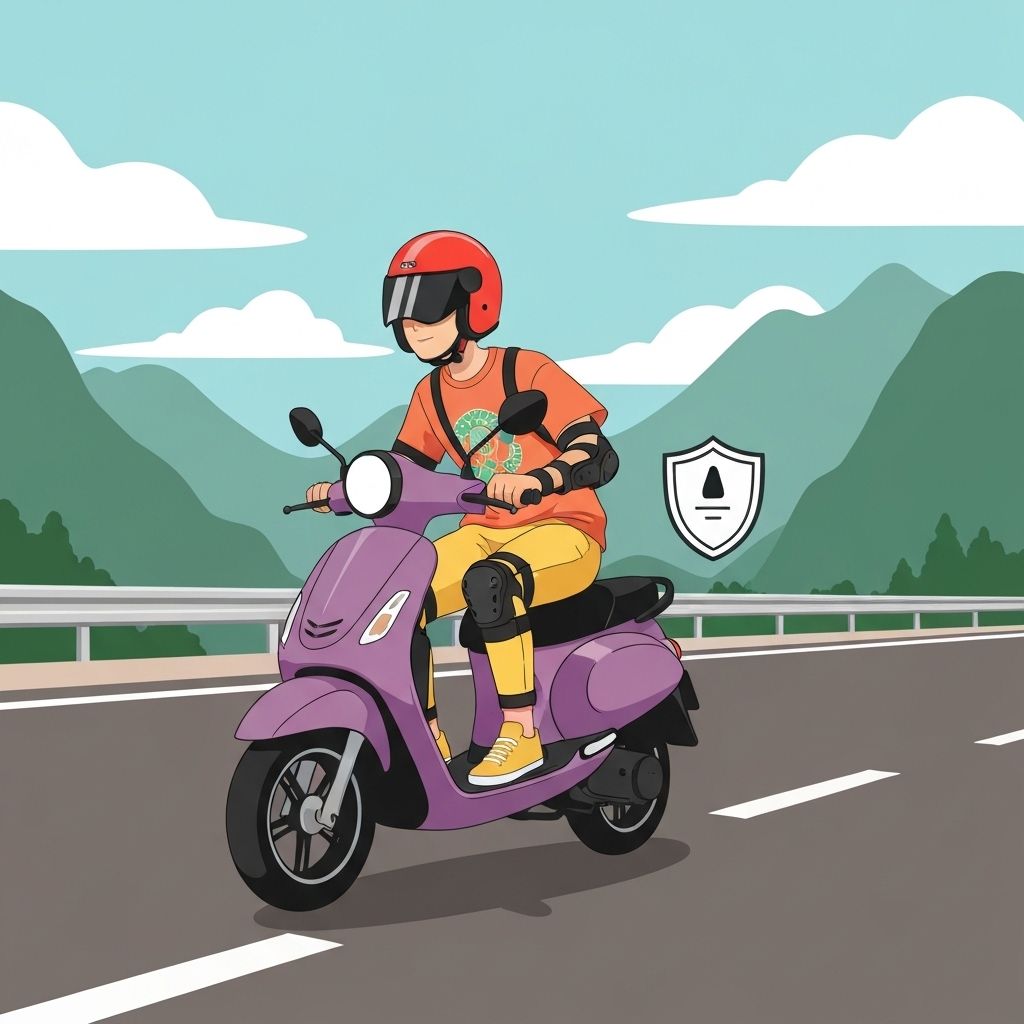
Proper safety gear can be the difference between minor injuries and life-threatening ones. Don't skip this.
Helmet (Non-Negotiable)
- •Full-face helmet offers best protection (covers entire head and face)
- •3/4 helmet is acceptable (covers head but not face)
- •Half helmet (common in Laos) offers minimal protection - avoid if possible
- •Make sure it fits snugly and doesn't move around
- •Always fasten the chin strap properly
- •Replace if it's been in an accident (even if it looks fine)
Protective Clothing
- • Long pants (jeans minimum)
- • Long-sleeve shirt or jacket
- • Closed-toe shoes (sneakers or boots)
- • Avoid shorts, tank tops, flip-flops
Additional Gear
- • Gloves (protect hands in falls)
- • Sunglasses (protect from sun/dust)
- • Rain gear (sudden storms are common)
- • Reflective vest (for visibility)
Weather & Seasonal Safety
Rainy Season (May - October)
- •Roads become extremely slippery - reduce speed by 30-50%
- •Brake earlier and more gently than usual
- •Watch for standing water and hydroplaning
- •Visibility drops significantly - use headlights
- •Landslides possible on mountain roads after heavy rain
- •Pull over and wait out heavy storms if possible
Dry Season (November - April)
- •Dust and smoke can reduce visibility (especially March-April)
- •Wear sunglasses or goggles to protect eyes
- •Stay hydrated - dehydration affects reaction time
- •Loose gravel on roads from dry conditions
Emergency Procedures
If You Have an Accident
- Stop immediately and check for injuries
- Move to a safe location if possible (out of traffic)
- Call emergency services: 1195 (ambulance) or 1191 (police)
- Take photos of the scene, damage, and any injuries
- Get contact information from any witnesses
- Contact your rental shop and insurance provider
- Do NOT admit fault or sign anything you don't understand
- Seek medical attention even for minor injuries
Important Numbers to Save
- •Emergency: 1195 (ambulance), 1191 (police)
- •Your rental shop: Save their number before you leave
- •Your accommodation: In case you need help
- •Your embassy: For serious emergencies
- •Insurance provider: Report accidents within 24 hours
Mechanical Breakdown
- •Pull over to a safe location off the road
- •Call your rental shop - most offer roadside assistance
- •Don't attempt major repairs yourself
- •Local mechanics are common and usually helpful
- •Keep rental shop's number and your location handy
Daily Safety Checklist
Before every ride, run through this quick checklist:
Stay Safe, Ride Smart
Riding a scooter in Laos requires constant awareness and defensive riding. The roads, traffic, and conditions are challenging, but with proper preparation and caution, you can have a safe and incredible adventure.
Remember: it's always better to arrive late than not at all. Take your time, ride within your abilities, and don't let anyone pressure you to ride faster or take risks you're not comfortable with.
Ready to ride safely in Laos?
Find trusted rental shops with well-maintained scooters.